
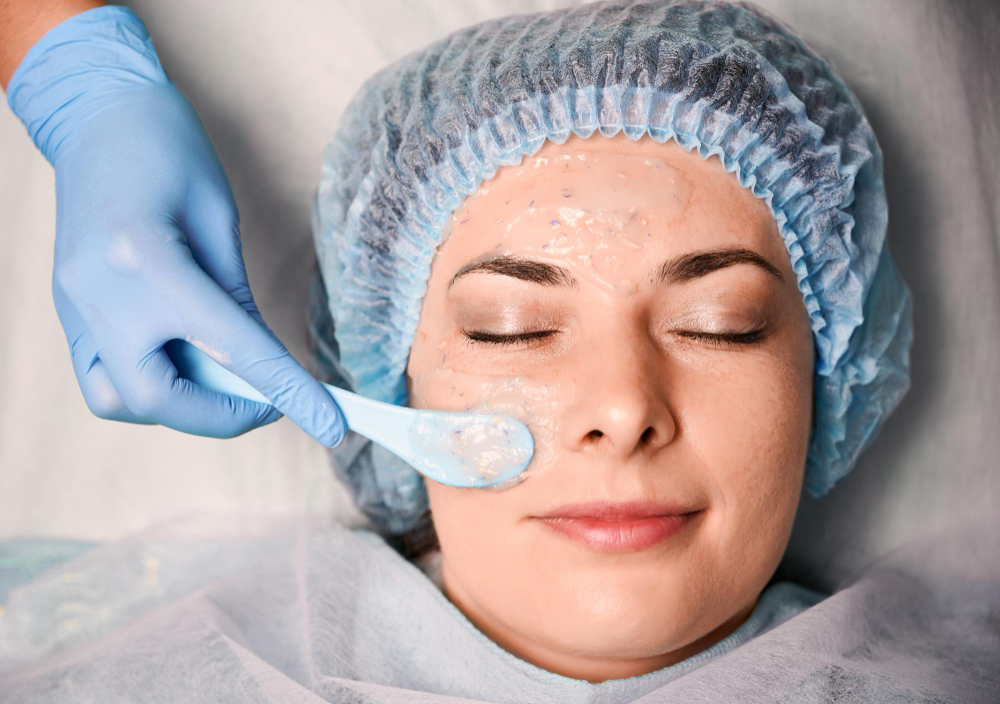

Chemical peels are often discussed as if the main decision is which formula to pick. In clinical practice, treatment planning is wider than that. The safer pathway starts with diagnosis, patient selection, consent, and a clear aftercare plan.
That workflow also depends on a controlled professional supply chain. Within that ecosystem, one example is MedWholesaleSupplies , a B2B supplier serving licensed clinics and healthcare professionals. It provides brand-name medical products sourced through vetted distributors and verified supply channels for licensed clinics.
Treatment planning starts with the skin problem
A peel should match the primary complaint, not just the patient request. Dullness, comedonal acne, post-inflammatory pigment, photoaging, and melasma can all look similar at first glance. Their treatment pathways are not the same.
Clinicians usually begin by defining the dominant issue, the depth of pigment, and the degree of inflammation. Epidermal dyschromia may respond to conservative superficial protocols. Melasma, reactive skin, and darker phototypes often need a slower plan because excess inflammation can worsen relapse or post-inflammatory hyperpigmentation.
It also helps to separate patient goals from clinic endpoints. Some patients want a visible peel. Others want minimal downtime and gradual change. That discussion affects formulation choice, treatment spacing, and whether a serial program is safer than a more aggressive session.
Who is a reasonable candidate?
Eligibility depends on skin type, barrier health, medical history, and the patient’s ability to follow aftercare. A well-chosen mild protocol is often safer than pushing depth in a borderline candidate. This is especially true when pigment is the main concern.
Basic screening should cover recent procedures, active topicals, sun exposure, prior peel reactions, herpes simplex history, and healing quality. Clinics also need to ask about occupational heat exposure, upcoming travel, and any event that may reduce adherence to sun avoidance.
- Delay treatment if there is active dermatitis, infection, sunburn, or obvious barrier disruption.
- Use caution after recent waxing, depilation, laser procedures, or strong home exfoliants.
- Review HSV risk for perioral treatment areas and prescribe prophylaxis when clinically indicated.
- Assess pigment risk carefully in patients with melasma, prior post-inflammatory hyperpigmentation, or higher Fitzpatrick phototypes.
- Check formulation-specific limits in pregnancy or breastfeeding, especially if retinoid-containing systems are under consideration.
- Individualise decisions for patients with a history of keloids, poor wound healing, or recent systemic retinoid use.
Patient reliability matters as much as skin findings. A patient who cannot pause irritant products, avoid picking, or maintain photoprotection may not be a good candidate for a stronger protocol. In those cases, a staged plan or alternative treatment may be more appropriate.
Choosing depth, formulation, and session design
Once the indication is clear, the next step is to match intensity to risk. Superficial programs are commonly used for acne, mild dyschromia, and textural dullness. Medium-depth approaches can target more established photoaging or pigment, but downtime and complication risk increase.
Yellow peel systems sit within this broader category of combination peels. Protocols vary by ingredient profile, contact time, leave-on steps, and accompanying home care. A branded system such as Retises CT Yellow Peel should therefore be assessed by its formulation details, labelled use, and operator protocol rather than by name alone.
For wider context, one clinical background on yellow peels shows how this treatment segment may be described in clinic-facing materials. That kind of background is useful, but it does not replace diagnosis, consent, or product-specific review.
Session design is often where clinics reduce avoidable harm. Patients with pigment-prone skin may do better with conservative passes, longer intervals, and strict pretreatment support. Stacking too many actives in one visit can increase erythema and delayed rebound without improving the final result.
Preparation and aftercare are part of the treatment
Pre-procedure prep should be planned, not improvised on the day. Many clinics pause retinoids, acids, and other irritants ahead of treatment according to protocol. Patients with recurrent pigment may also need a priming phase that focuses on barrier stability and daily photoprotection.
During treatment, endpoints should be based on the specific product instructions and the patient’s skin response. Chasing a stronger visible reaction is not the same as delivering a better outcome. Good technique usually means controlled application, protection of sensitive zones, and a low threshold to stop when reactivity exceeds the expected range.
Aftercare needs plain language and written instructions. Patients should know what normal peeling looks like, which symptoms need review, and when they can restart active skincare. Broad-spectrum sunscreen, bland moisturisation, and strict avoidance of picking, friction, and excess heat are standard parts of recovery.
Follow-up is not just administrative. It is the point where clinics check healing, document adverse effects, and decide whether the next session should be repeated, reduced, or postponed. In pigment cases, that review often matters more than the initial treatment itself.
Documentation and procurement controls matter
Good peel practice relies on documentation. Baseline photographs, skin typing, treatment rationale, batch or lot records, consent, and post-care instructions all support continuity of care. They also help clinics review outcomes with more objectivity.
Consent should set realistic expectations. Patients need to understand expected erythema, visible flaking, variable response, the possibility of post-inflammatory hyperpigmentation, and the need for more than one session. If downtime tolerance is low, that should be reflected in the protocol.
There is also a systems issue behind the treatment room door. Professional-use products require traceable procurement, storage checks, expiry monitoring, and a clear record of who performed the procedure. This is one reason B2B suppliers exist in the healthcare ecosystem: they serve licensed settings and support clinic purchasing through verified supply channels rather than consumer retail pathways.
A balanced view of peel planning
Chemical peel care works best when it is treated as a pathway, not a single product decision. Diagnosis, phototype, barrier status, patient reliability, and follow-up all shape the outcome. In that framework, any branded peel is only one part of the plan.
For clinics, the practical question is not whether a peel category sounds promising. It is whether the patient, protocol, and safety controls align. That is what turns a peel from a cosmetic idea into a defensible treatment decision.
Medical disclaimer: This content is for informational purposes only and is not a substitute for professional medical advice.